







Chocolate lovers, rejoice. What if your favorite dessert could be both indulgent and better for you? When you pair dark chocolate with high-quality extra virgin olive oil, you create desserts that are rich, moist, and packed with nutrients.
In this guide, we’ll explore the health benefits of dark chocolate, why olive oil is better than butter in baking, and how to substitute olive oil in your favorite chocolate recipes for improved flavor and texture.
What Are the Health Benefits of Dark Chocolate?
When discussing chocolate and health benefits, we’re specifically referring to dark chocolate (70–85% cocoa). The closer chocolate is to its original cocoa bean form, the more beneficial compounds it contains.
Dark chocolate is rich in:
-Antioxidants (especially flavonoids)
-Fiber
-Iron
-Magnesium
-Manganese
-Copper
A 100g bar of 70–85% dark chocolate typically contains:
-11g fiber
-7.9g protein
-67% of the Daily Value (DV) for iron
-98% of the DV for manganese
Why Are Antioxidants Important?
Dark chocolate contains high levels of flavonoids, plant-based compounds that act as antioxidants.
Antioxidants help:
-Reduce oxidative stress
-Support heart health
-Improve blood flow
-Lower inflammation
In fact, dark chocolate is considered one of the most antioxidant-rich foods available.
Why Bake with Olive Oil Instead of Butter?
1. Heart-Healthy Fats: Why Extra Virgin Olive Oil Is Better Than Butter
One of the main health benefits of extra virgin olive oil is its high concentration of oleic acid, a heart-healthy monounsaturated fat that is also naturally present in dark chocolate. Studies show that oleic acid may help improve cholesterol levels, reduce the risk of heart disease, and provide powerful anti-inflammatory benefits. Unlike butter, olive oil contains zero cholesterol and significantly less saturated fat, making it a smarter choice for heart-conscious baking and cooking.
2. Better Texture: Why Olive Oil Makes Cakes More Moist
Substituting olive oil for butter in baking dramatically improves the texture of cakes and chocolate desserts. Because olive oil remains liquid at room temperature, it creates a moister cake crumb, a lighter texture, and a softer, less dense structure. Chocolate cakes made with olive oil tend to be richer, fudgier, and more tender, while butter-based cakes can feel heavier and dry out more quickly. If you’re looking for a moist chocolate cake recipe, olive oil is the key ingredient.
3. Enhanced Flavor: Olive Oil and Dark Chocolate Pair Perfectly
Baking with olive oil enhances the natural depth and intensity of dark chocolate. A high-quality extra virgin olive oil for baking adds subtle fruity, grassy, or lightly peppery notes that beautifully complement cocoa. This pairing is especially delicious in olive oil chocolate cake, brownies, and flourless chocolate desserts. The result is a more complex, balanced chocolate flavor that tastes gourmet yet effortless.
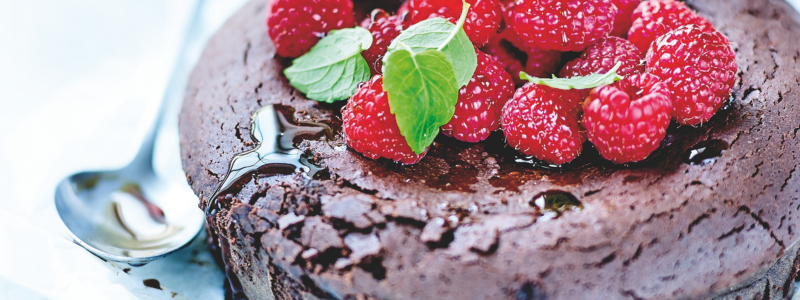
RECIPE : Extra Dark Chocolate, Berries & Mint Cake
What Happens When You Substitute Butter for Olive Oil?
If you're wondering what happens when you replace butter with olive oil in baking, the results are surprisingly impressive. While it may seem unconventional, using olive oil instead of butter is a staple in Mediterranean baking and is becoming a major trend in American kitchens—especially for those searching for healthier baking substitutions.
When you substitute olive oil for butter in cakes and desserts, you’ll notice:
-A moist cake texture that lasts longer
-A lighter, more tender crumb
-Less dryness in chocolate cakes
-A smoother, silkier mouthfeel
Because olive oil stays liquid at room temperature, it helps create a moist chocolate cake that stays fresh for days, unlike butter-based cakes that can become dense or dry as they cool. This is why many bakers now prefer olive oil for recipes like olive oil chocolate cake, brownies, and loaf cakes.
In fact, chocolate cakes made with olive oil are often described as rich, fudgy, and ultra-soft, rather than dry or crumbly. If you're looking for the secret to a super moist chocolate cake recipe, swapping butter for high-quality extra virgin olive oil can make all the difference.
Discover our baking recipes made with olive oil here
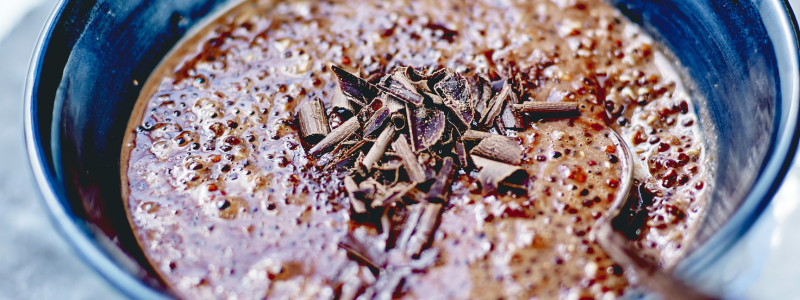
Butter to Olive Oil Conversion Chart
Use this simple conversion table when replacing butter with olive oil in baking recipes:
|
Butter |
Olive Oil |
|
1 teaspoon |
¾ teaspoon |
|
1 tablespoon |
2 ¼ teaspoon |
|
¼ cup |
3 tablespoons |
|
½ cup |
6 tablespoons |
|
1 cup |
12 tablespoons |
Tip: For best results, use a high-quality extra virgin olive oil with a balanced, not overpowering, flavor profile.
Source List