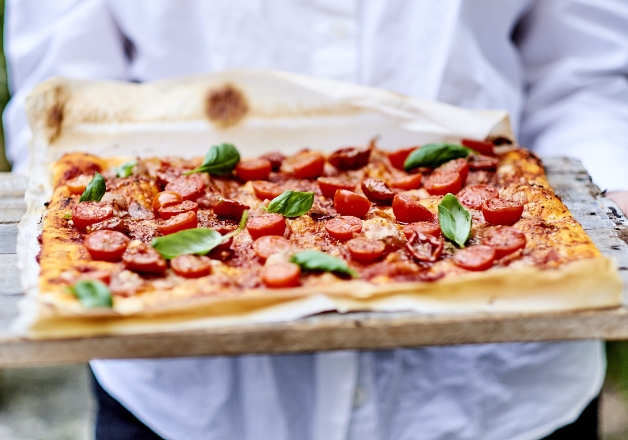
What is Pinsa Romana ?
Pinsa romana is winning over more and more fans of Italian cuisine. Often compared to pizza, it actually stands apart thanks to its dough, which is light, crispy crust and particularly easy to digest. Its origins date back to ancient Rome, where farmers prepared flatbreads made from grains and cooked on hot stone. Its name comes from the Latin word pinsere, meaning to stretch or to elongate, referring to its characteristic oval shape.
Rediscovered in the 2000s, pinsa has since become a staple on Italian tables. Its secret ? A dough made from a blend of wheat flour and rice flour, combined with a high hydration level and a long fermentation of over 48 hours, compared to just 5-6 hours for a classic pizza. The result is a dough that's lighter, airier and easier to digest than traditional pizza dough.
When you taste it, you'll discover the famous scrocchiarella, that unique crispy crust that quickly gives way to a soft, generously airy centre.
A Lighter Way to Treat Yourself
Part of pinsa's growing appeal today lies in the way it meets consumers' new expectations for lighter, more balanced meals. Thanks to its highly hydrated dough and long fermentation process, it's often seen as easier to digest than traditional pizza. Paired with ingredients emblematic of the Mediterranean diet, such as seasonal vegetables, extra virgin olive oil, aromatic herbs or fish, pinsa fits perfectly into a cuisine that's convivial, indulgent and inspired by the principles of balanced eating.
Learn more about the Mediterranean diet.
Discover Oliviers&Co Pinsa
Our pinsa is hand-shaped from a blend of wheat and rice flours and made using a long fermentation process. Ready in just 5 minutes in the oven, it's perfect for a convivial meal, an indulgent appetiser, or a spontaneous dinner.
Preparation:
1- Top with the ingredients of your choice.
2- Bake at 220–250°C (fan oven) for 5 to 6 minutes.
3- Add fresh toppings after baking (rocket, burrata, cured ham...).
4- Finish with a drizzle of extra virgin olive oil and enjoy immediately.
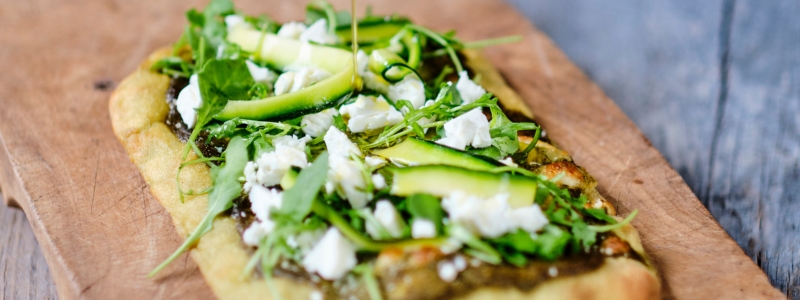
How to eat Pinsa ? Our Favourite Ideas
Spring - Green Pinsa with Asparagus and Ricotta
A fresh, vegetable-forward recipe celebrating the first vegetables of the season.
Top with : Oliviers&Co Seasoned Artichokes, green asparagus, ricotta, thinly sliced courgette, fresh mint and a drizzle of our Basil Olive Oil.
Summer - Pinsa with Nectarines, Cured Ham and Burrata
A sun-kissed recipe with sweet and savoury flavours.
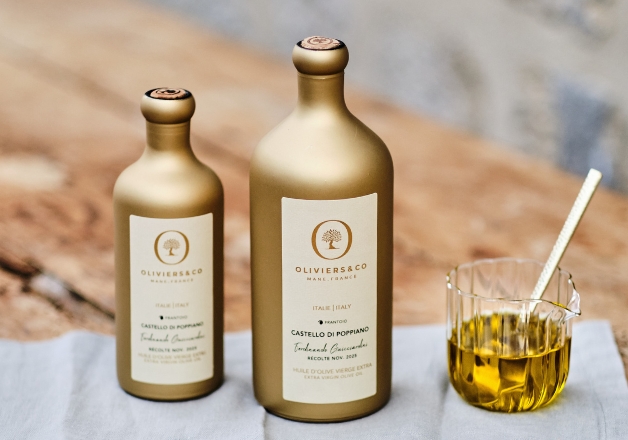
Top with : creamy burrata, grilled nectarines or peaches, cured ham, rocket and a drizzle of our Extra Virgin Olive Oil.
Autumn - Butternut Squash Pinsa with Truffle Flavours
A generous, comforting recipe.
Top with : Oliviers&Co Porcini Mushroom Truffle Cream, roasted butternut squash, pan-fried mushrooms, fior di latte mozzarella.
Winter - Goat's Cheese, Pear and Walnut Pinsa
The perfect balance of sweetness, character and crunch.
Top with : fresh goat's cheese, roasted pears, walnut halves, honey, a few rocket leaves and a drizzle of our Extra Virgin Olive Oil.
3 Must-Try Recipes for All Year Round
Pinsa Dolce Vita, the Most Italian of Them All.
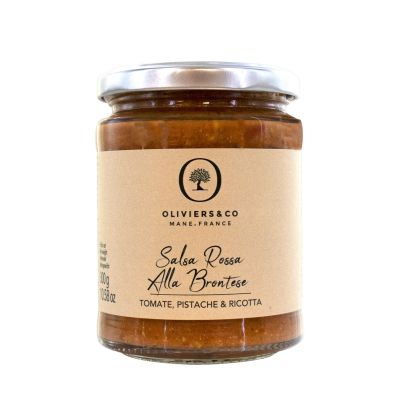
How to top it : Oliviers&Co Brontese Sauce, fior di latte mozzarella, aged Parmesan, a few fresh basil leaves, Basil Olive Oil.
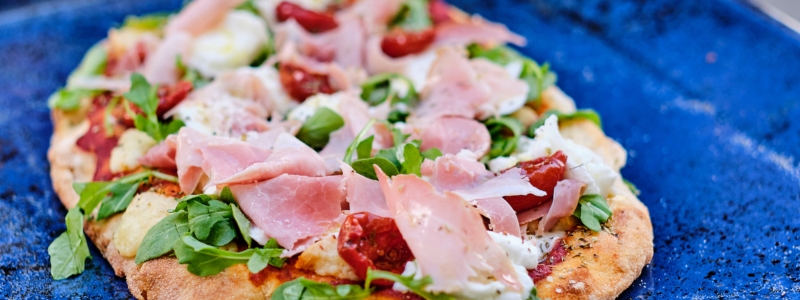
Pinsa Prosciutto Mozzarella, the Signature Hot-Cold Contrast.
How to top it : Oliviers&Co Brontese Sauce, fior di latte mozzarella, Parma cured ham, fresh rocket, parmesan shavings, Basil Olive Oil.
Pinsa del Mar, a Recipe Inspired by the Mediterranean Coast.
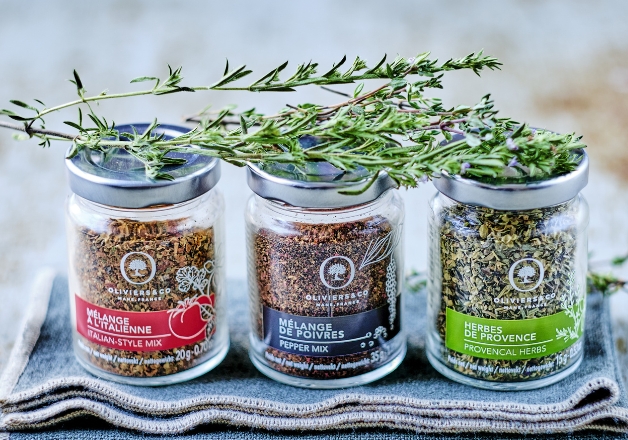
How to top it : Oliviers&Co Brontese Sauce, fior di latte mozzarella, tuna, red onions, Olives, Oliviers&Co Provence Herbs, a few capers
4 Good Reasons to Fall for Pinsa
• Light & easy to digest : long fermentation and high hydration make for a dough that's much lighter than a classic pizza.
• Ready in 5 minutes : perfect for busy weeknights or a spontaneous get-together.
• Versatile: appetiser, meal, Italian-style brunch, it works for anything.
• Authentic : over 2,000 years of culinary tradition on your plate.