








Vinegar is an essential ingredient in every kitchen, but did you know it can also be used for household chores ? In this article, we'll explore the different types of vinegar and their many uses, whether in cooking or for maintaining your home.
Vinegar for Cooking or Cleaning?
Vinegar is a kitchen staple that also serves as a cleaning agent. While it is commonly associated with culinary uses, its acidic properties also make it an effective and environmentally friendly cleaning agent. Whether you're preparing a gourmet meal or tackling household chores, vinegar is a go-to solution for enhancing flavors and keeping a sparkling clean home.
When to Use Each Type of Vinegar?
Apple Cider Vinegar
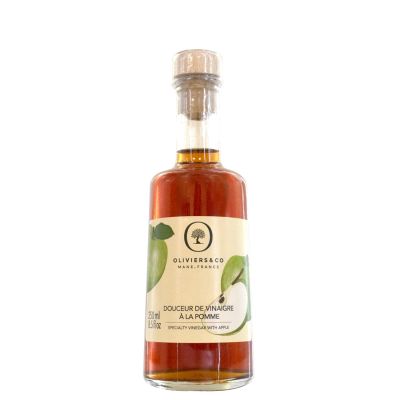
Apple cider vinegar is one of the most versatile types of vinegar. In cooking, it is often used in salad dressings, marinades for meat or fish, and even in sauces to add a fruity touch of flavor. Outside the kitchen, apple cider vinegar is also an effective natural cleaner. Diluted with water, it can be used to clean surfaces, deodorize rooms, and remove stubborn stains. Learn more about the properties and benefits of cider vinegar here.
Balsamic Vinegar
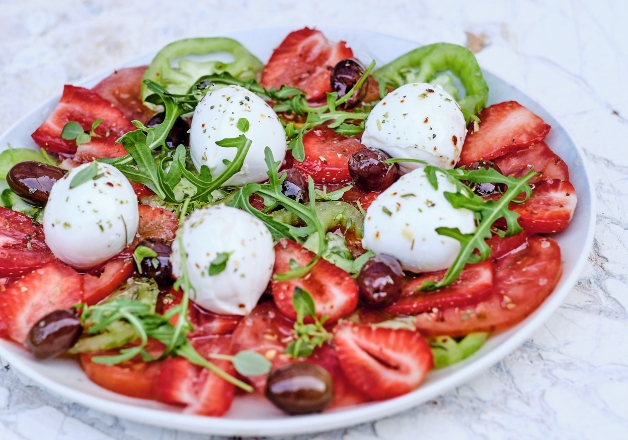
Balsamic vinegar is renowned for its rich, complex flavor. It is often used in Italian dishes, such as caprese salads, pasta, and even desserts like balsamic strawberries. Due to its syrupy consistency, it is also ideal for glazes and marinades. When it comes to cleaning, balsamic vinegar can be used to polish wooden surfaces and remove stubborn marks in the kitchen.
White Vinegar
White vinegar is a popular choice for household tasks due to its high acid content. It can be used to clean windows, descale kettles, and even remove weeds in the garden. In cooking, white vinegar can be used to preserve food, such as pickling vinegar, or to add acidity to dishes like marinades and sauces. Discover our Oliviers&Co white wine, an alternative to white wine vinegar.
Red Wine Vinegar
Red wine vinegar is commonly used in Mediterranean dishes for its bold, fruity flavor. It's perfect for salad dressings, marinades for red meats, and even grilled vegetable dishes. As a cleaner, red wine vinegar can be used to remove wine stains from tablecloths and clothing, as well as to disinfect cutting boards and kitchen utensils.
Rice Vinegar
Rice vinegar is a staple of Asian cuisine. It is often used to prepare sushi rice, marinades, and sauces for stir-fried dishes. Due to its mild, light flavor, it is also ideal for salad dressings. As a cleaner, rice vinegar can be used to clean glass and ceramic surfaces, as well as to remove odors from the refrigerator.
The Difference Between White Vinegar and White Wine Vinegar
Although white vinegar and white wine vinegar may seem similar, their differences are significant.
White vinegar is derived from grain alcohol, usually vodka, which undergoes fermentation when exposed to oxygen, promoting bacterial growth. White wine vinegar, on the other hand, follows a similar process but replaces the vodka with white wine.
This fundamental difference results in markedly contrasting flavors. White vinegar, known for its potency, contains around 10% acetic acid, far exceeding the 5 to 7% found in white wine vinegar. The former's strong flavor makes it unsuitable for standalone use in cooking, often relegated to cleaning tasks due to its formidable antimicrobial properties. In contrast, the milder taste of white wine vinegar makes it a delicious addition to salad dressings and marinades.
This striking distinction highlights the diverging culinary and practical applications of these two vinegars.
Can White Wine Vinegar Be Replaced with White Vinegar?
The simple answer is a categorical no; substituting white vinegar for white wine vinegar would overwhelm the intended flavors of any dish due to its intense strength. In such cases, opting for alternatives such as red wine vinegar or rice vinegar would be much more appropriate, as they offer a closer resemblance in taste.
As a helpful tip for those using white vinegar, consider tempering its acidity by adding a few teaspoons of sugar. However, even with this adjustment, the strong flavor of white vinegar will only be slightly softened.