Polyphenols and olive oil: a daily habit for your health
Polyphenols and olive oil: a daily habit for your health
Today, everyday health depends on simple but strategic food choices. These include regularly consuming foods rich in polyphenols, powerful natural antioxidants found in certain plants. Extra virgin olive oil, rich in polyphenols, is one of the most interesting sources for easily benefiting from them every day.
But where can polyphenols be found in food? How much should we consume? Are all olive oils the same? How can we incorporate polyphenols into our daily diet?
Where can polyphenols be found in food?
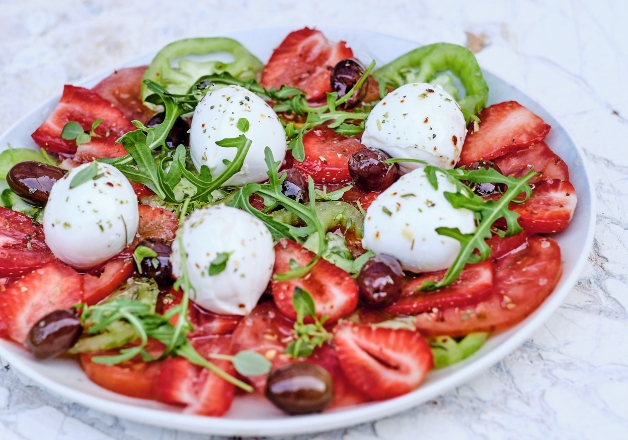
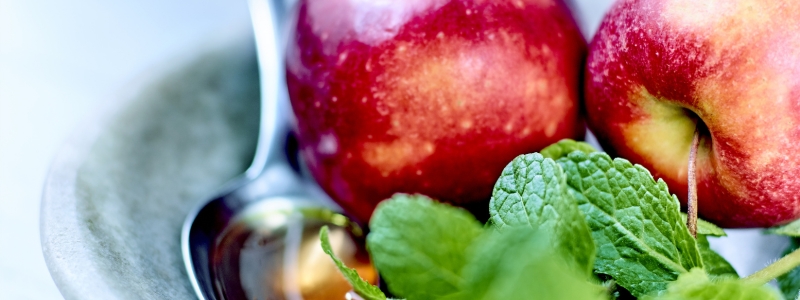
Polyphenols are found in many plant-based foods. Among fruits and vegetables, red fruits such as blueberries and strawberries, grapes, apples, and certain vegetables such as artichokes and red onions are particularly rich in polyphenols.
They are also found in certain beverages and plants, such as green tea, coffee, raw cocoa, and even red wine, when consumed in moderation.
Finally, certain nuts and legumes, such as almonds, walnuts, and lentils, also provide a good dose of polyphenols in our daily diet.
Extra virgin olive oil naturally contains polyphenols, including hydroxytyrosol and oleocanthal. The polyphenols in olive oil help protect blood lipids from oxidative stress, when consumed as part of a daily intake of 20 g of olive oil.
What is the recommended daily intake of polyphenols?
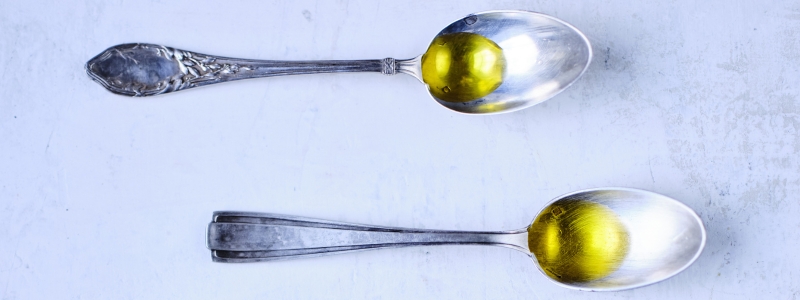
The EFSA (European Food Safety Authority) specifies that a protective effect is observed with: 20 g of olive oil per day (approximately 1.5 to 2 tablespoons). This amount provides at least 5 mg of hydroxytyrosol and its derivatives, compounds with beneficial health properties.
This means:
-Moderate daily consumption is sufficient.
-Regularity is more important than excessive quantity.
-The quality of the oil is crucial.
What should you choose between supermarket olive oil and extra virgin olive oil?
Not all olive oils are created equal, especially in terms of polyphenols. Their content depends on the variety of olive, the time of harvest, the extraction method, and storage conditions.
Olive oils found in supermarkets often come from blends and very ripe olives, which are naturally lower in polyphenols. Their packaging in plastic or transparent bottles and exposure to light on the shelves reduce their aromatic and nutritional potential.
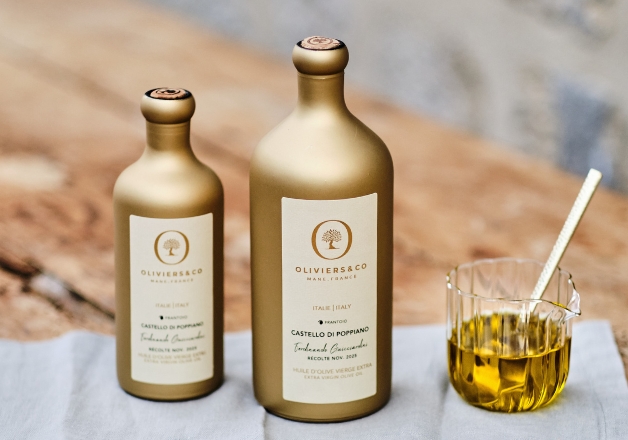
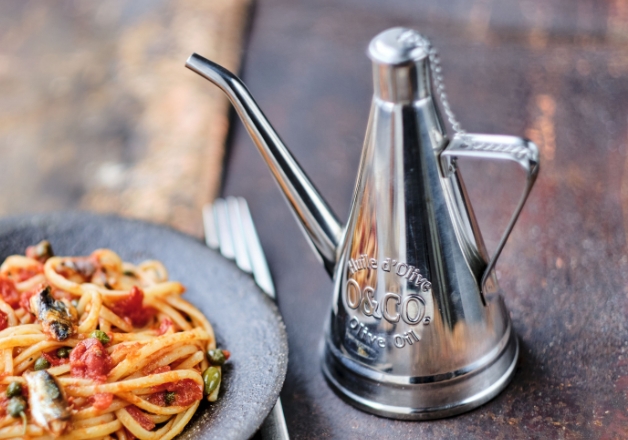
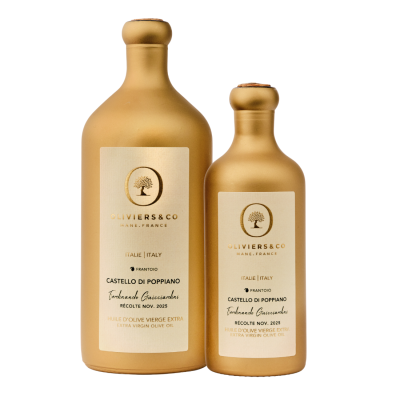
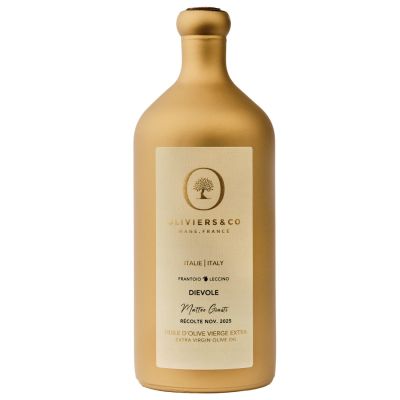
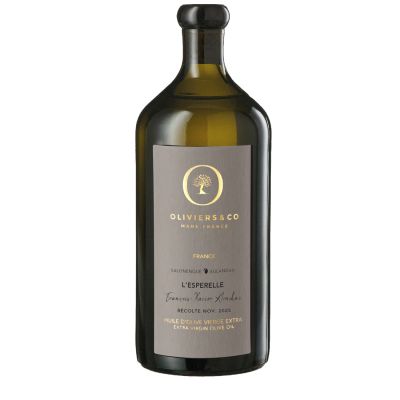
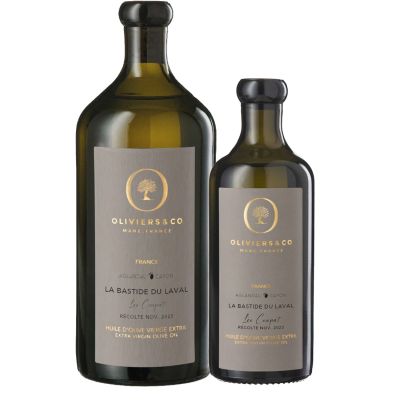
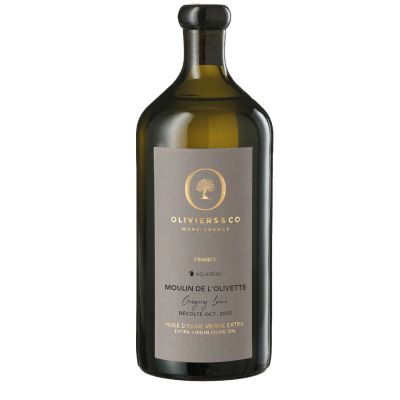
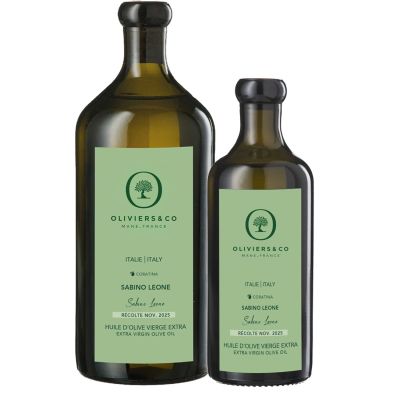
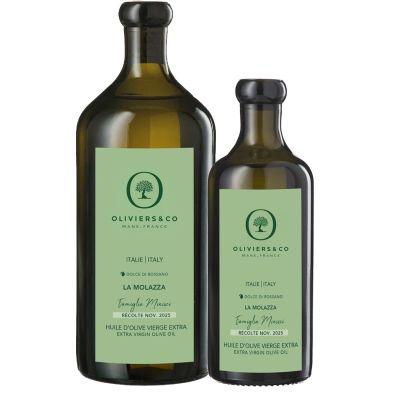
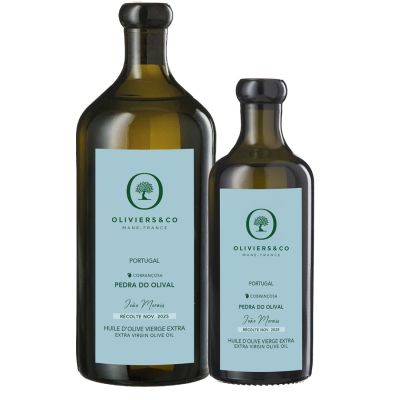
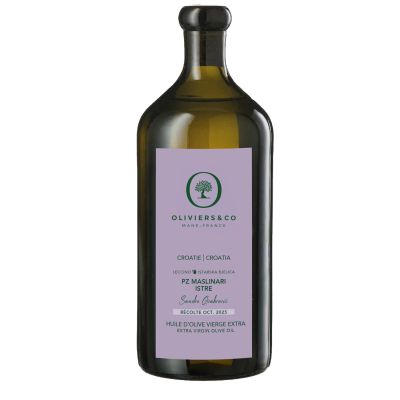
Our Oliviers&Co extra virgin olive oils, on the other hand, are obtained by mechanical cold extraction and come from early harvests, which are more concentrated in polyphenols. Their packaging in tinted glass or metal cans, such as La Classique, helps preserve their nutritional and aromatic qualities.
The result: preserved polyphenols, an intense flavor, and a natural bitterness and peppery note, the true hallmarks of a high-quality olive oil.
Choosing an Oliviers&Co olive oil means choosing freshness, traceability, and quality.
How can you easily incorporate polyphenols into your daily diet?
To preserve as many polyphenols as possible in your olive oil and effectively incorporate them into your diet, here are some practical tips based on nutritional recommendations and scientific observations.
Use olive oil raw or at the end of cooking:
Polyphenols are relatively sensitive to heat: prolonged exposure to high temperatures can degrade them. Analyses have shown that prolonged cooking at high temperatures significantly reduces the concentration of polyphenols compared to cold use. Therefore, opt for:
-A drizzle of raw olive oil on your salads, cooked vegetables, soups, or cereals.
-Adding it at the end of cooking (when the dish is already off the heat) to preserve sensitive nutrients.
Season your dishes with extra virgin olive oil:
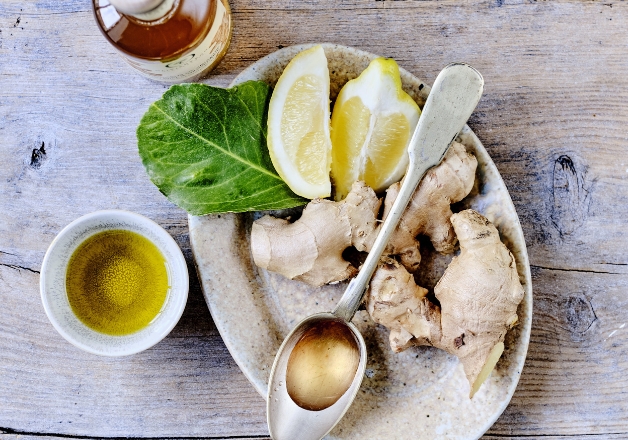
-Homemade vinaigrettes made with olive oil, lemon, or balsamic vinegar.
-Fresh marinades for fish, poultry, or vegetables.
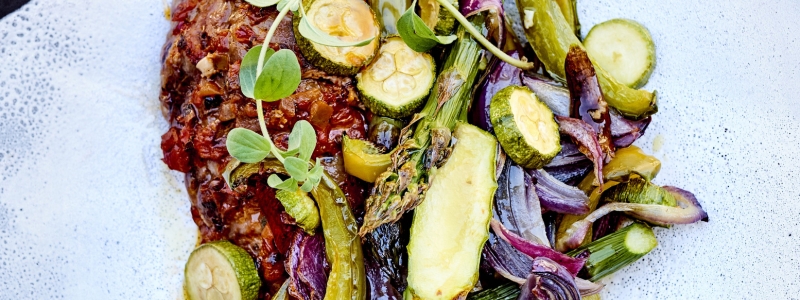
-A drizzle over cooked dishes such as steamed or grilled vegetables, fish and meat, wholemeal bread or toast.
Incorporate olive oil into cold or warm dishes to preserve as many active polyphenols as possible:
-Cold or warm sauces
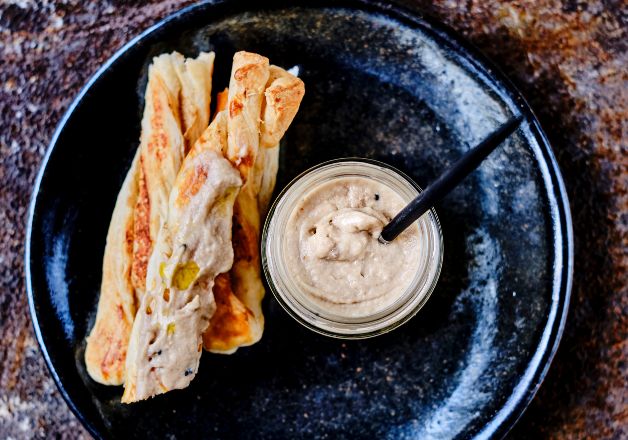
-Dips such as hummus or tzatziki
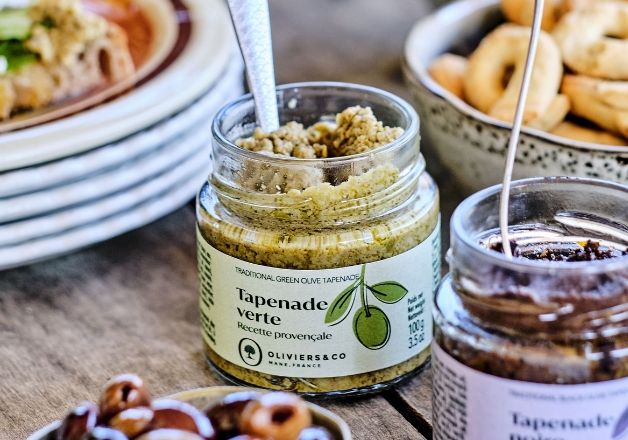
-Vegetable spreads
In a varied diet, combining olive oil with vegetables rich in vitamin C contributes to nutritional diversity.
Proper storage: essential for preserving polyphenols
The storage of olive oil plays a crucial role in preserving its polyphenols, as these antioxidant compounds deteriorate when exposed to light, air, or heat.
To maximize their effectiveness, it is recommended to store the oil in a cool, dark place with a stable temperature between 59°F and 70°F to slow down natural oxidation. It is essential to close the cap tightly after each use, as contact with air accelerates the loss of antioxidants.
Finally, avoid storing the oil near heat sources, such as the oven or stove, as heat promotes oxidation and reduces the concentration of polyphenols.