





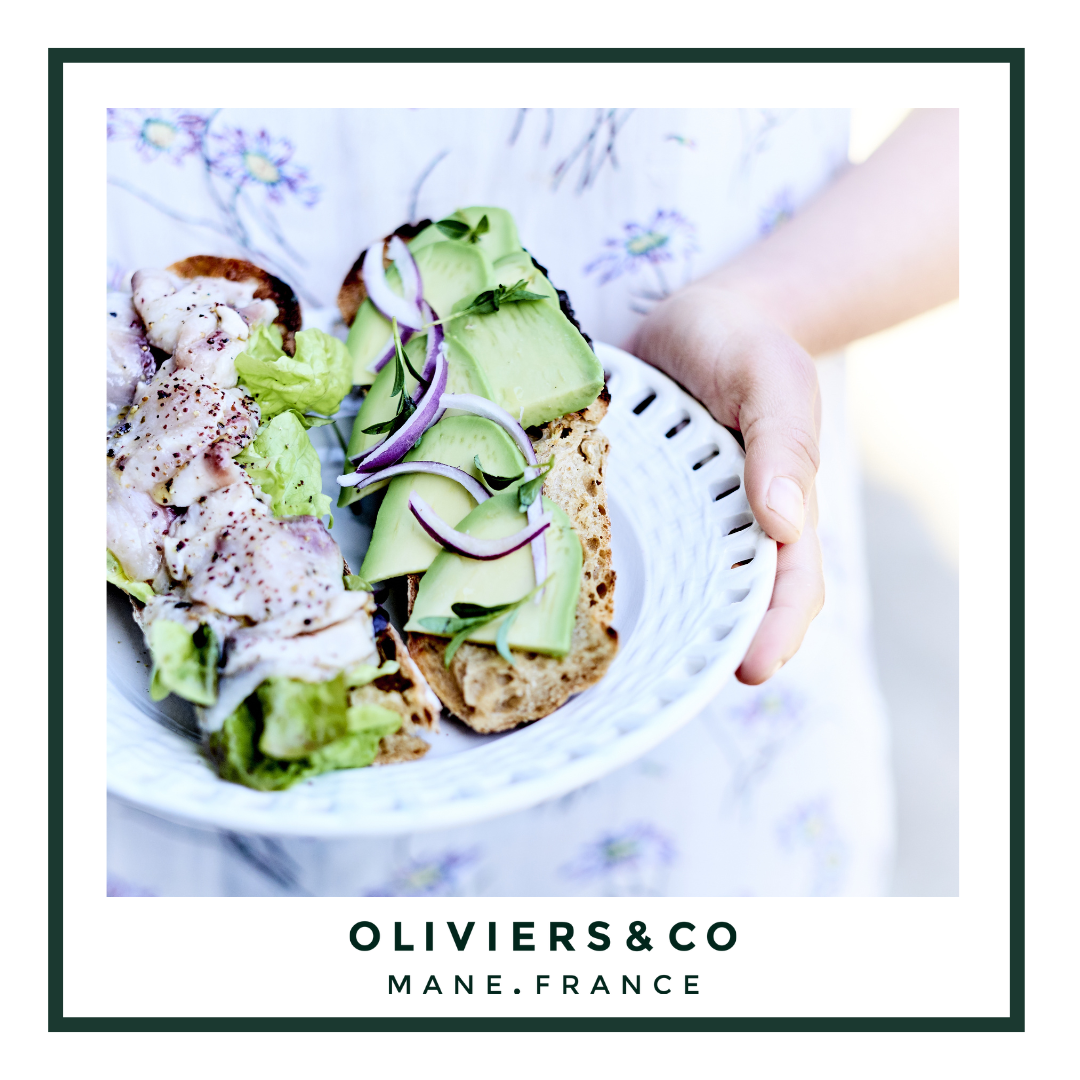
The Mediterranean diet is celebrated globally because it goes beyond being a mere nutritional model; it is a genuine ode to nature and the seasons.
At Oliviers&Co, we believe that eating well starts with respecting raw ingredients. The Mediterranean diet is essentially a celebration of a colorful, plant-based, and diverse meal, where each ingredient plays a key role in our well-being—brought together by the magic touch of olive oil.
A Plate Dominated by vegetables
At the heart of the Mediterranean diet, recognized as one of the healthiest dietary models in the world, lies a predominantly plant-based way of eating. This Mediterranean diet, rich in fruits and vegetables, forms the foundation of every meal and largely explains the numerous benefits associated with this lifestyle.
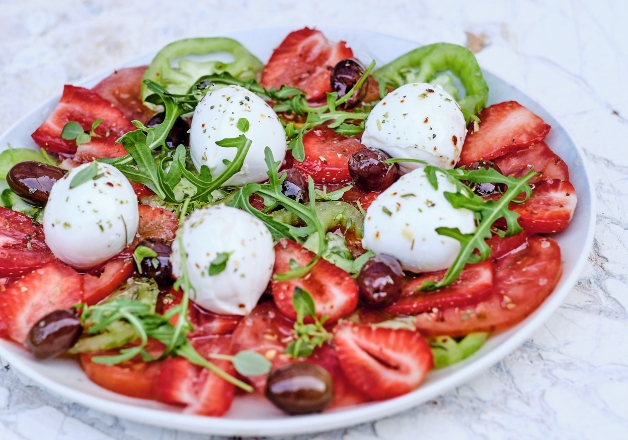
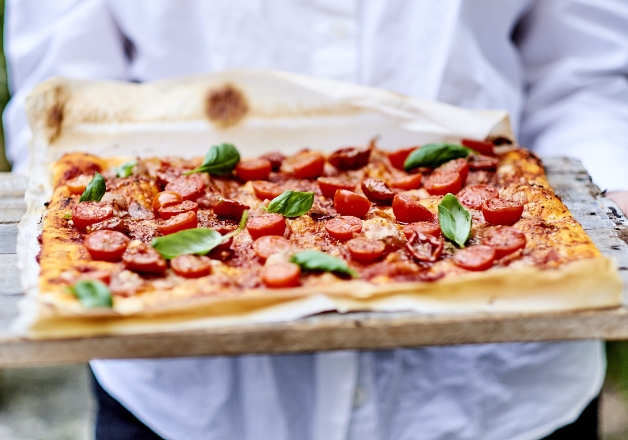
Sun-ripened tomatoes, eggplants, zucchini, bell peppers, fresh aromatic herbs, garlic... Seasonal vegetables take center stage on the plate. Rich in dietary fiber, natural antioxidants, vitamins (A, C, E, K), and essential minerals, they contribute to cardiovascular health, proper digestive function, and maintaining a balanced weight. It is precisely this nutrient density that makes the Mediterranean diet a model recommended by many nutrition experts.
Added to this plant base is the daily consumption of whole grains (whole wheat, barley, brown rice) and legumes such as chickpeas and lentils. These foods are rich in plant proteins and fiber and have a moderate glycemic index, promoting sustained energy and better satiety. They play a key role in a balanced diet and in the prevention of chronic diseases.
Adopting the Mediterranean diet therefore means prioritizing simple, varied, and minimally processed plant-based cuisine, where raw, seasonal ingredients are at the center of the plate.
Land and Sea: High-Quality Proteins at the Heart of the Mediterranean Diet
In the Mediterranean diet, protein consumption is based on a key principle: prioritizing nutritional quality over quantity. This dietary model emphasizes healthy, varied, and naturally balanced protein sources, contributing to the prevention of cardiovascular diseases and the maintenance of good overall health.
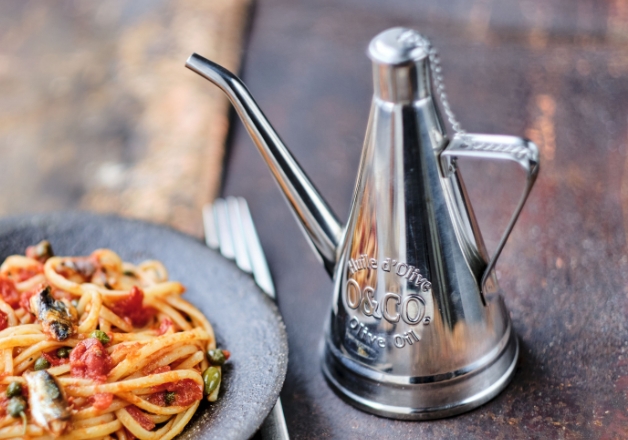
Red meat is consumed occasionally, while fish rich in omega-3s (sardines, mackerel, anchovies) occupy a central place in the Mediterranean diet. These essential fatty acids are recognized for their benefits on heart health, reducing inflammation, and proper brain function. White meats, such as chicken, complete this intake of lean proteins.
Mediterranean dairy products, particularly sheep and goat cheeses, are consumed in moderation. Easier to digest and often better tolerated, they fit into a balanced diet without an excess of saturated fats.
In this approach, extra virgin olive oil plays a fundamental role. A true pillar of the Mediterranean diet, it constitutes the main source of fat, replacing butter or cream. Rich in monounsaturated fatty acids and natural antioxidants, it accompanies proteins without masking them: a drizzle of olive oil enhances grilled fish, reveals the freshness of mozzarella, or adds depth to roasted poultry.
Adopting the Mediterranean diet means choosing quality proteins, in moderate quantities, paired with extra virgin olive oil that promotes both taste and health.
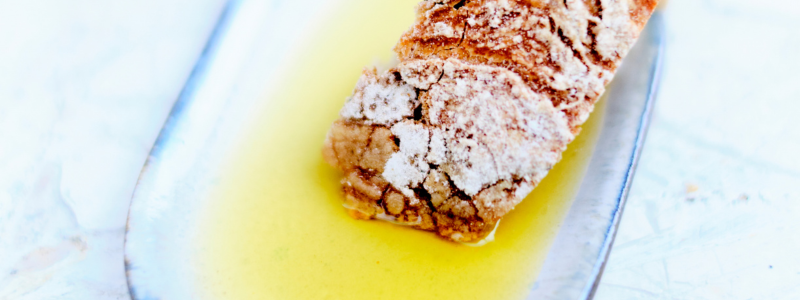
Olive Oil: A fundamental of this diet
If vegetables and fish are the musicians, extra virgin olive oil is the conductor. It is the main source of added fat and the central pillar of the Mediterranean diet pyramid.
Beyond flavor, it plays a major technical and nutritional role: it allows for the gentle cooking of vegetables and, when used raw, preserves the integrity of the ingredients. Rich in monounsaturated fatty acids, replacing saturated fats with unsaturated fats (such as the omega-9s found in our oils) in your diet contributes to the maintenance of normal cholesterol levels.
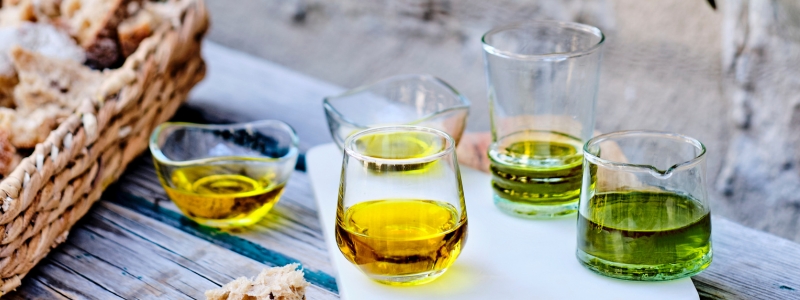
The Mediterranean Diet: A Cultural Heritage Recognized by UNESCO
The Mediterranean diet cannot be reduced to merely a list of healthy foods. In 2010, UNESCO inscribed the Mediterranean diet on the Representative List of the Intangible Cultural Heritage of Humanity, recognizing it as much more than a nutritional model: it is a true Mediterranean art of living.
Olive Oil Polyphenols
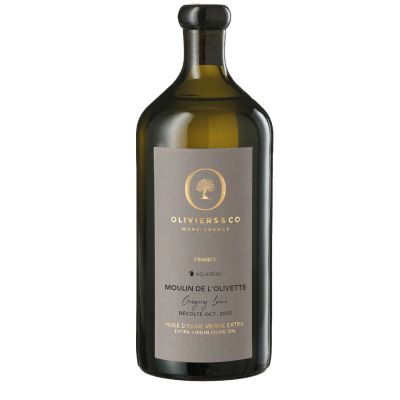
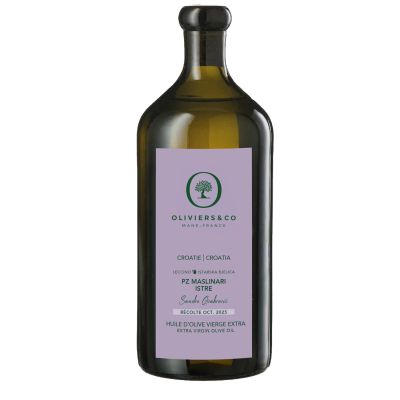
To get the most out of this diet, the choice of extra virgin olive oil is crucial. Olives harvested very early in the season (such as for our Grand Crus or Affiorato) offer a higher concentration of olive oil polyphenols. These precious compounds are not there by accident. In accordance with authorized European health claims, olive oil polyphenols contribute to the protection of blood lipids from oxidative stress. This beneficial effect is obtained with a daily intake of 20g of olive oil (about 2 tablespoons).
Three Simple Steps to Adopt the Mediterranean Diet
Integrating the Mediterranean diet into your daily life is simple with a few key habits:
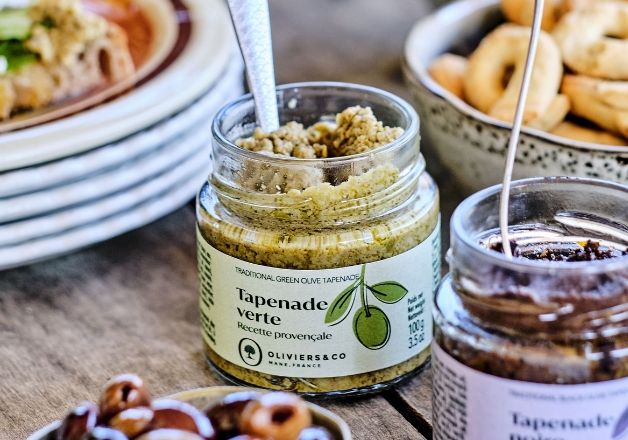
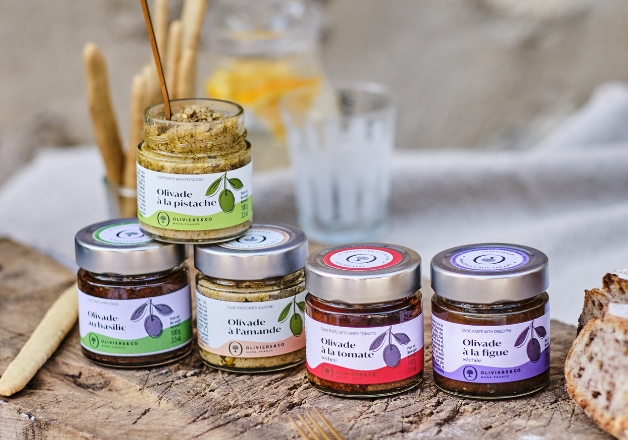
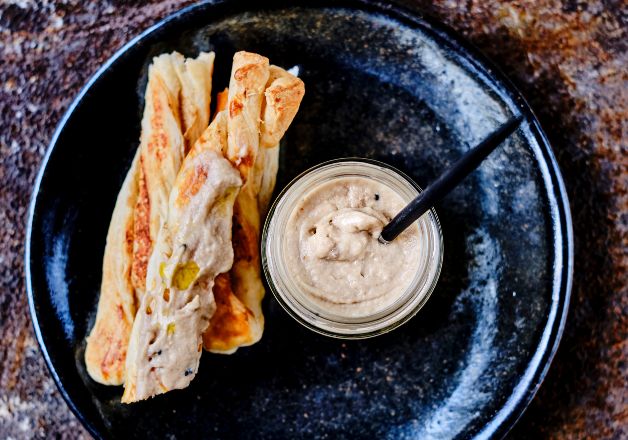
-Make your appetizer plant-based: Replace salty crackers with crunchy vegetables for dipping in a hummus or one of our tapenades.
-Add more veggies to your meals: Try a chickpea salad with red onions, plenty of parsley, and a generous drizzle of Il Fornacino or Extraverte olive oil.
-The finishing touch: Get into the habit of adding your drizzle of olive oil (your daily 20g) after cooking, directly on your plate, over your vegetables or starches. This is the secret to preserving the polyphenols and bringing out the flavors.
Adopting the Mediterranean diet means choosing a healthy diet rich in antioxidants, healthy fats, and plant-based products, while cultivating the joy of sharing and the quality of ingredients. It is a holistic approach to well-being, validated by science and celebrated by UNESCO.
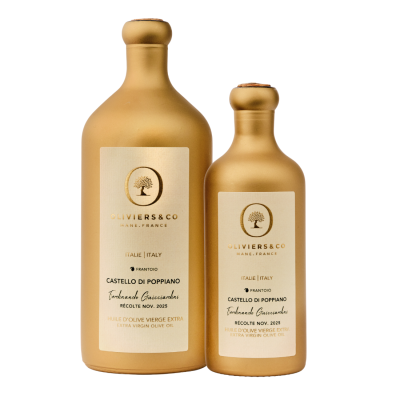
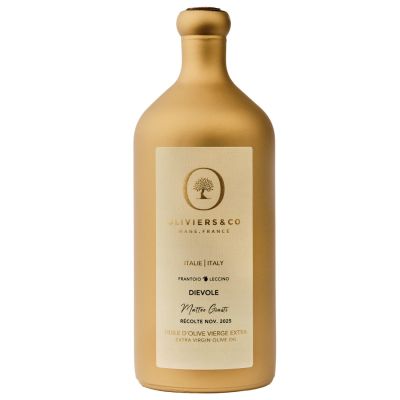
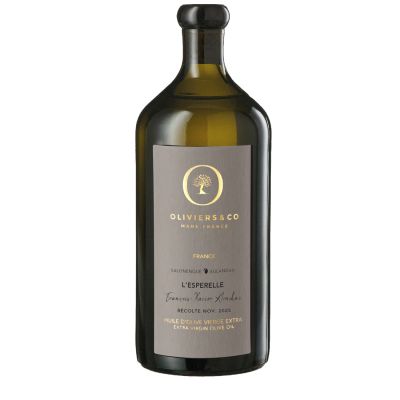
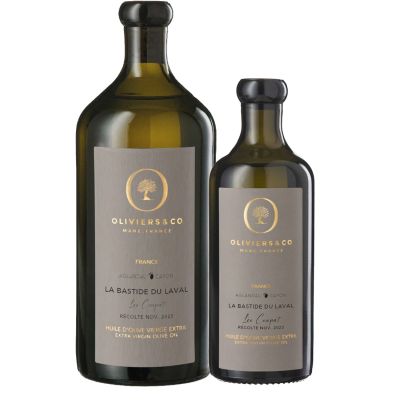
OUR EXCEPTIONAL OLIVE OILS
-

-
-
-

-
-
 Frantoio Pruneti Extra Virgin Olive Oil - 8.4 fl oz - ITALYSpecial Price $36.80 Regular Price $40.90