
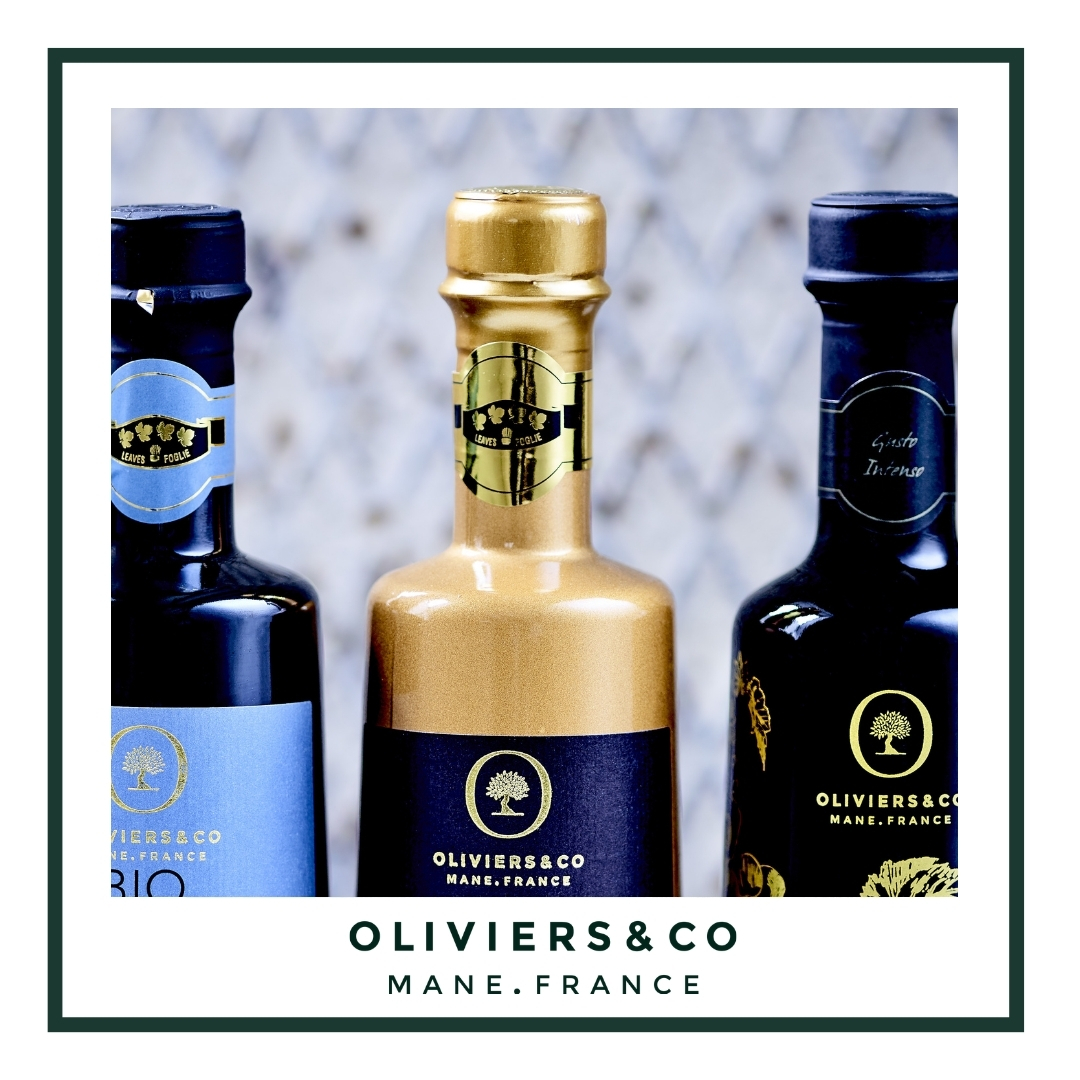
Balsamic vinegar is one of the most iconic condiments in Italian gastronomy. But behind its prestige lies a much less flattering reality : countless imitations are flooding the market, often far removed from the original product.
The story of a success and its excesses
A product victim of its own success
Balsamic vinegar experienced a meteoric rise in the early 1980s, winning over tables around the world thanks to its aromatic complexity and versatility in the kitchen. But this success quickly attracted opportunists.
Its name was misused, copied, and hijacked by numerous producers who flooded the market with low-quality products under the "balsamic" label. To counter this drift, a consortium was created in 1993 to guarantee compliance with production and quality rules: the Consorzio Aceto Balsamico di Modena.
Since then, all official productions of traditional PDO balsamic vinegar carry a numbered neck seal from this consortium, a sign that they have been inspected and certified. The product is exclusively packaged in 100 ml bottles and can cost several hundred euros.
Counterfeiting and misuse of the term "balsamic"
The improper use of the word "balsamic" is one of the most widespread frauds in the food industry. Hundreds of products use this term without any right to do so, misleading consumers about the nature and quality of what they are buying.
To combat these abuses, certification labels have been established:
• PGI (Protected Geographical Indication) guarantees the origin and compliance with strict specifications for Balsamic Vinegar of Modena.
• PDO (Protected Designation of Origin) applies to traditional balsamic vinegar, the most noble type, subject to the most demanding production rules.
Remember: only products bearing the PGI or PDO logo are authentic and can legally be called Balsamic Vinegar of Modena.
Label tricks to watch out for
Aging: often a misleading claim
Aging is often used as a marketing argument on balsamic vinegar labels. Claims such as "aged 10 years," "matured 25 years," and so on appear on bottles with no body to verify them.
Why ? Because the only recognized aging periods are those defined by the PGI regulation. Any other stated aging duration is subject to no official control whatsoever. These products cannot legally be called Balsamic Vinegar of Modena : they are condiments, a very different and far less regulated category.
These aging claims are often printed prominently on the label or packaging to attract consumers in a misleading way.
Ingredient order: a key indicator
The composition of a quality balsamic vinegar is simple. PGI balsamic vinegar is made solely from grape must, while PDO balsamic vinegar is made from grape must together with wine vinegar. But the order in which these two ingredients appear on the label reveals a lot about the product's quality.
If grape must is listed first, it is the predominant ingredient. The vinegar will be sweeter, rounder, and richer a sign of a higher-quality product.
If wine vinegar is listed first, acidity will dominate, and the texture and flavor will suffer.
At Oliviers&Co, our Balsamic Vinegars of Modena PGI contain only grape must and wine vinegar. No caramel, no artificial coloring, no additives. Only our Classic quality Balsamic Vinegar of Modena has a proportion of wine vinegar higher than that of concentrated grape must.
Additives, colorings, and thickeners
Although legally permitted, certain additives deserve your full attention. Caramel coloring is the most common: it artificially colors the product and adds a sweet note synthetically, falsely mimicking the slow, natural reduction in barrels that characterizes true balsamic vinegars. Some types of caramel coloring can also be carcinogenic.
Likewise, some products contain thickeners meant to recreate the dense, velvety texture usually associated with balsamic vinegars. Texture alone is therefore not a reliable indicator of quality. A high-quality balsamic vinegar achieves this smoothness naturally, through the concentration of sugars in the must during genuine aging.
The Leaves System
In the late 1990s, the company Acetum and the Italian Tasting Institute commissioned the very first sensory analysis of Balsamic Vinegar of Modena. This system emerged from a two-year study, carried out in partnership with an independent, certified organization, the Centro Studi Assaggiatori, which defined the analytical and sensory parameters describing the quality of Balsamic Vinegar of Modena.
The primary goal of this initiative was not purely scientific, but above all aimed at protecting consumers. The Balsamic Vinegar of Modena market suffered from a major problem: an enormous range of qualities and prices, with no way for packaging or labels to help consumers navigate them, due to a lack of standardized quality indicators. This gave rise to a recognized sensory classification, initially divided into 4 categories and now into 5: the Leaves System.
This independent rating, visible on the bottle's neck seal, allows for an objective distinction between blend qualities based on sensory perception: the balance between sweetness and acidity, aromatic persistence, density, and complexity. The higher the number of leaves, the more exceptional the product: 1 leaf for entry-level products, 5 leaves for the noblest and most complex balsamic vinegars.
Smart habits when buying
Before buying a balsamic vinegar, here are the essential checks to make:
1- Look for the PGI or PDO logo on the label: this is the minimum guarantee of an authentic product.
2- Read the ingredient list: grape must should be listed first.
3- Be wary of uncertified aging claims with no official logo: they mean nothing.
4- Check for the absence of caramel coloring (E150) and artificial thickeners in the composition.
5- Be suspicious of prices that are too low: a genuine quality balsamic vinegar cannot cost just a few euros.
6- Look at the neck seal for PDO products: the Consorzio's numbered seal is the ultimate proof of authenticity.
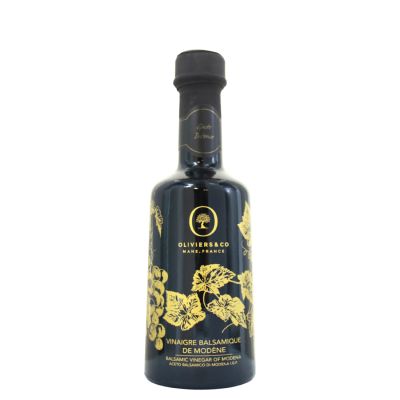
At Oliviers&Co, we work exclusively with PGI Balsamic Vinegars of Modena, free of caramel coloring and artificial colorings. Most of our range stands out for its high grape must content, with the exception of our Classic reference, which is richer in wine vinegar for a more tangy, everyday-friendly profile.
Our balsamic vinegars
-
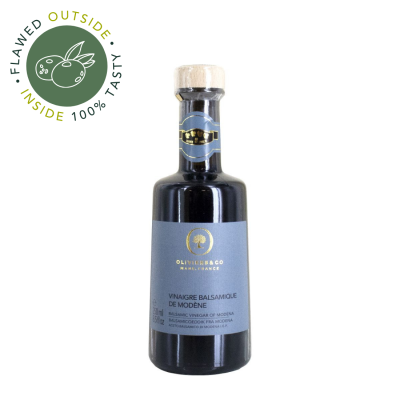 Premium Balsamic Vinegar of Modena - ImperfectSpecial Price $28.00 Regular Price $40.00
 -
-

-
-