



Using Balsamic Vinegar
Balsamic vinegar is a traditional condiment of Italian gastronomy which, unlike other vinegars made from fermented wine, is made from cooked grape must (and vinegar) aged in barrels, from a few months to several decades.
Discover the full history and production process of balsamic vinegar.
Balsamic Vinegar of Modena PGI is made from grape must and wine vinegar. Its quality does not depend solely on the proportion of must, but above all on the quality of the ingredients and their balance. With equivalent ingredients, the result varies depending on the blend. The type of must also influences the aromatic profile: a concentrated must gives a mild, fruity taste, while a cooked must brings more richness and complexity, with blends offering intermediate profiles. The longer the ageing, the thicker the texture becomes, the sweeter the taste, and the more complex the aromas, eventually becoming a true balm hence its name: balsamico, which means balm in Italian.
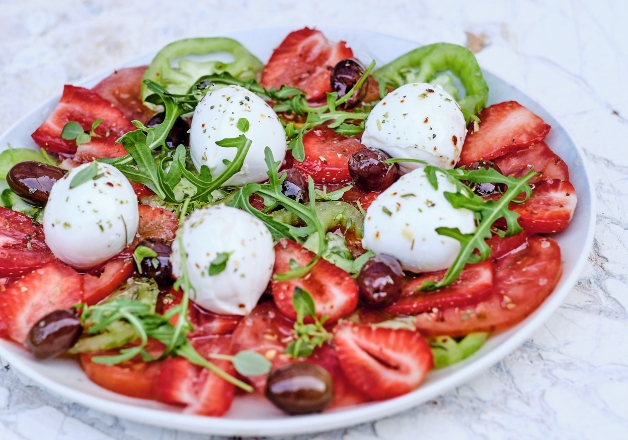
It is an integral part of Italian cuisine, enjoyed on its own, with a piece of parmesan, or best paired with cold dishes, whether as an accompaniment to a salad, raw vegetables, tomatoes, or a marinade, alongside a simple drizzle of olive oil. It can also be added as a finishing touch to a hot dish, over pasta, risotto, or a velouté for example (without cooking it, and preferably using a young balsamic). More unusually, a few drops will elegantly enhance a dessert, such as strawberries, chocolate, or vanilla ice cream. We recommend an aged balsamic vinegar over a young one to accompany your sweet preparations.
Deglazing with balsamic vinegar
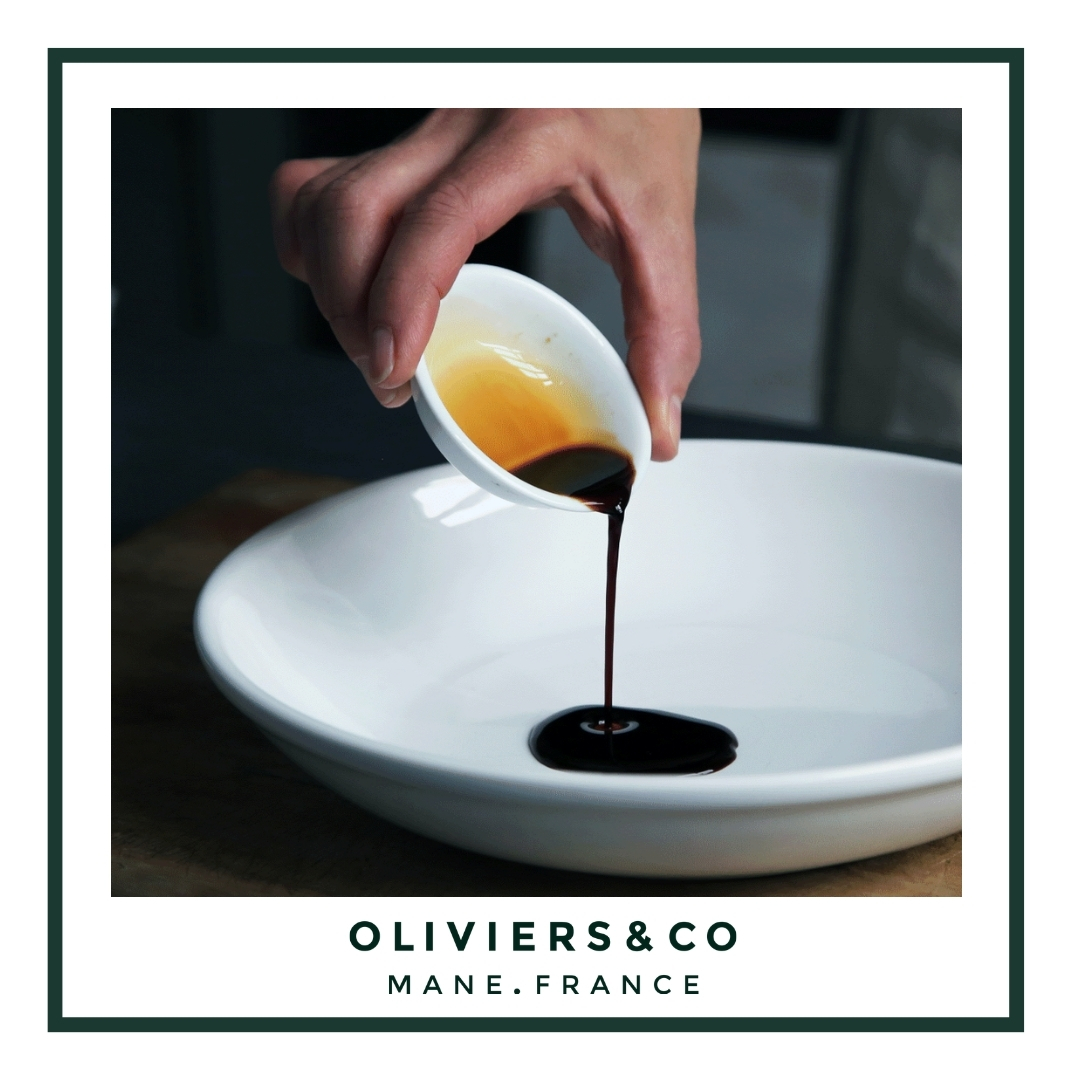
Although recommended for cold use as a finishing touch, our Classic Balsamic Vinegar of Modena can also be used for deglazing to accompany meat (duck or pork, for example) or small vegetables : after removing the cooked meat or vegetables, heat the pan containing the cooking juices over high heat (removing any excess fat) and pour in a generous drizzle of balsamic vinegar.
While heating the balsamic, scrape up the cooking juices with a wooden spoon. Once the mixture has boiled for a few seconds, you'll have a wonderfully fragrant sauce to enhance your dish.
The Benefits of Balsamic Vinegar
Balsamic vinegar is a seasoning product, meant to add flavour to a dish and bring out its taste. It should be consumed in moderate amounts and does not, on its own, form a structural component of any specific diet. However, certain properties of balsamic vinegar do offer real benefits.
The word balsamic comes from the Greek balsamon and the Latin balsamum, originally referring to preparations used to soothe and heal. As early as the 15th century, the term balsamic vinegar was used for a vinegar made from aged grape must, renowned for its medicinal properties. In the countryside, people would take a spoonful to soothe a sore throat, disinfect a small wound, or even relieve rheumatism. A seasoning product, certainly, but one long regarded as an ally for good health.
In particular, it helps regulate blood sugar levels thanks to acetic acid, which slows down sugar absorption. This acid may also help reduce triglycerides the fats circulating in the blood as well as LDL, the lipoproteins responsible for the build-up of cholesterol plaques.
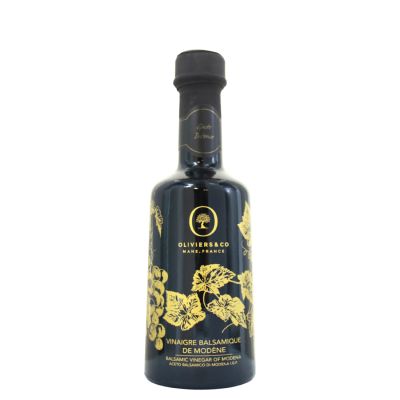
Discover our Balsamic Vinegars
-
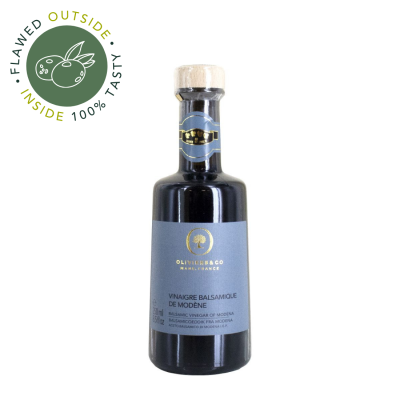 Premium Balsamic Vinegar of Modena - ImperfectSpecial Price $28.00 Regular Price $40.00
 -
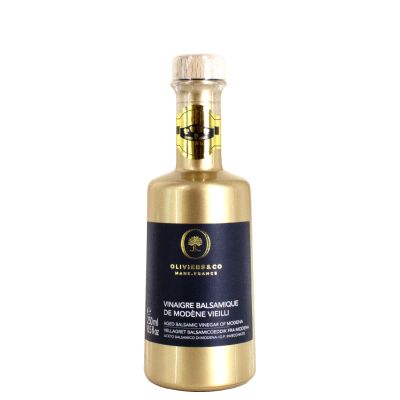
-

-
-