




All fats play a crucial role in baking, contributing tenderness, richness, and flavor to finished goods. Fat creates tenderness by coating structure-building proteins like gluten, which slows their development. This controlled gluten formation is what gives shortbread its delicate, crumbly texture and cakes their soft, tender crumb.
Fat is also essential for flavor. It absorbs aromatic compounds and releases them gradually as you chew, enhancing the overall taste experience. Because fat coats the palate, it creates a sense of richness and a smooth, satisfying mouthfeel that elevates everything from simple muffins to layered cakes.
In yeasted doughs, fat plays an additional structural role. It softens and lubricates the dough, improving elasticity and flexibility. This allows the dough to expand more efficiently as it rises, resulting in greater volume and a lighter texture. Enriched breads such as challah benefit especially from this effect, developing a softer crust and a more tender interior.
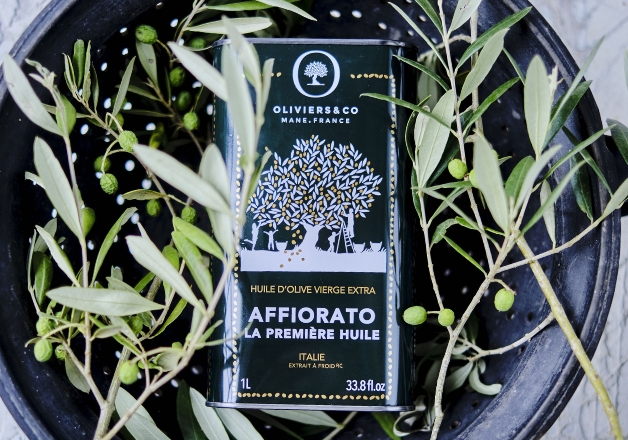
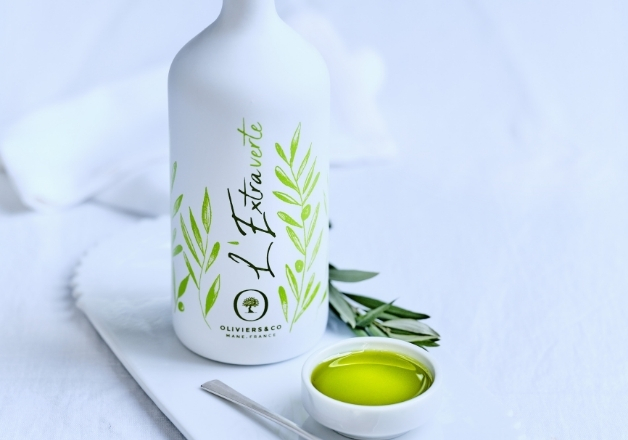
When baking with olive oil, you get all of these functional benefits — tenderness, flavor development, and improved texture — while also adding depth and character that neutral oils simply cannot provide.